Crafted by Headout, a global experiences brand offering curated tours, tickets & experiences. Discover with ease, book with peace.
Turquoise waters, Canadian Rockies, alpine forests, and abundant wildlife; all bundled into one location, ready for you to explore. Banff is a town nestled an hour’s drive from Calgary, with views so picturesque they look like stills from a movie. From sightseeing to cruises and more, discover what Banff tours have to offer.
Best time to visit: July and August (for best views, but peak crowds)
Unique experiences: Riding the Banff gondola, lake cruises, Johnston Canyon hikes, hot springs
Good to know: Banff National Park is open year-round, but hiking routes and the Moraine Lake Road are only accessible from June to October.
What to expect on your Banff tour
1/5
Explore some of the most famous turquoise and emerald waters
Visit stunning glacial lakes known for their bright turquoise and deep emerald colors, created by mineral-rich glaciers from surrounding peaks. Learn more about how these unique colors form with your guide, and enjoy the views without rushing.
Visit the national park home to over 1,000 named lakes (and countless more unnamed ones)
Travel through protected mountain terrain while your guide shares stories about wildlife, geology, and conservation. You get a broader understanding of how vast and varied the lake system is as you enter a landscape filled with more than a thousand named lakes and many more hidden alpine pools.
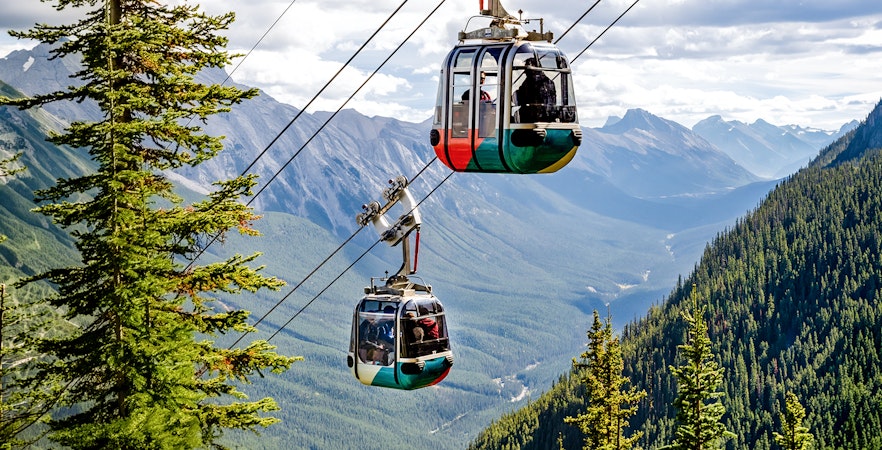
Enjoy gondola rides to the Sulphur Mountain
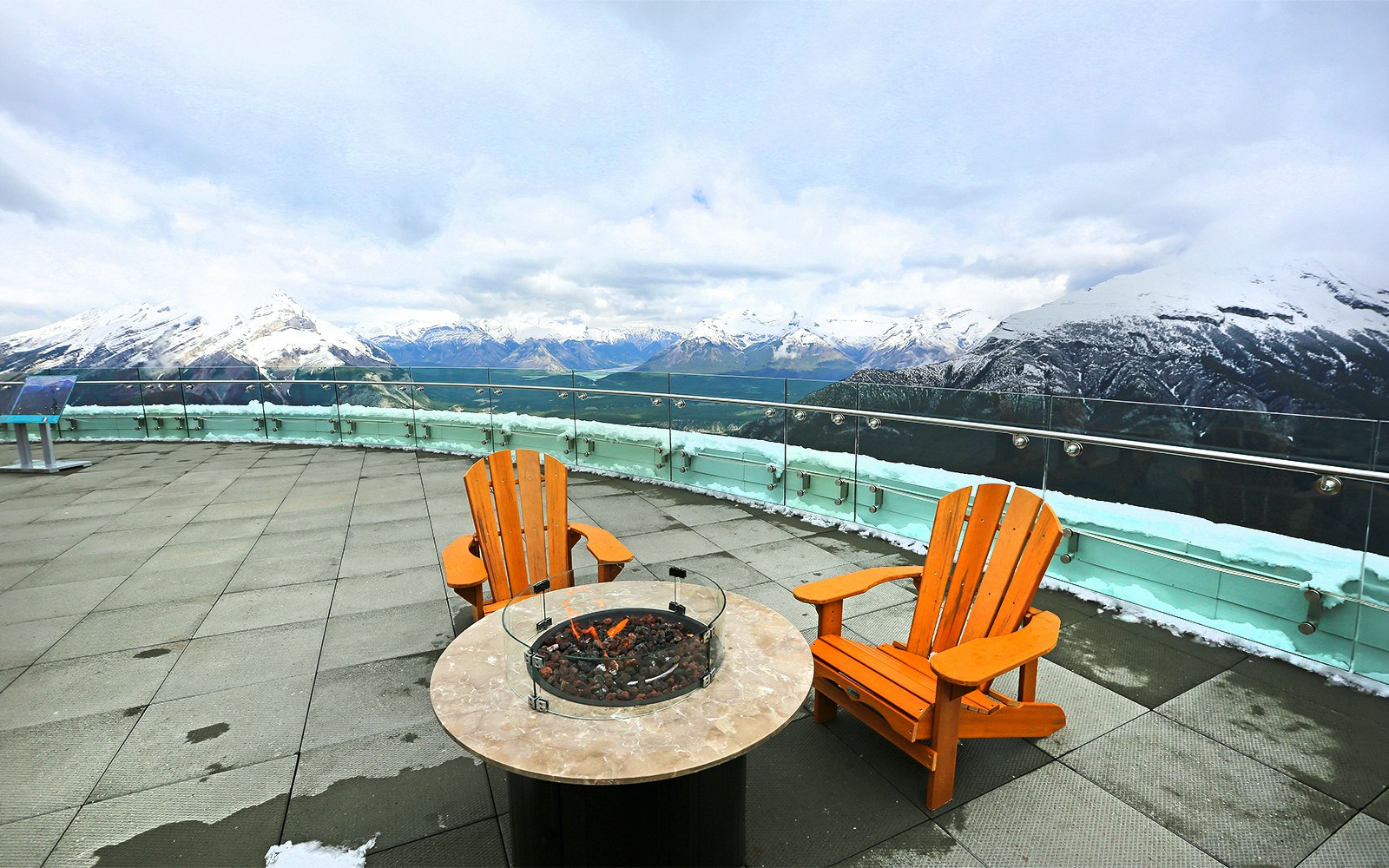
Ride a scenic gondola to Sulphur Mountain and watch the valley unfold beneath you. Explore boardwalks, viewing platforms, and interpretive displays at the top at your own pace. You get sweeping, high-altitude views of mountain ranges, rivers, and the town below.
Spend your day with the Canadian Rockies as your backdrop
No matter what you do, you will have the dramatic peaks of the Canadian Rockies surrounding you in every direction. The changing light and elevation keep the views fresh as you keep moving.
Explore the hot springs and waterfalls at Banff National Park
Discover natural hot springs areas and powerful mountain waterfalls at Banff National Park. Feel the temperature changes in the air, and learn more about the natural forces behind the springs and cascades to help you connect the sights with the science behind them.
Highlights of your Banff visit
Banff Gondola
Ride the Banff Gondola for a smooth trip to the viewpoint. Explore terraces and interpretive areas as you enjoy wide, unobstructed mountain views.
Plan your visit
Banff National Park is open year-round, but the timings change seasonally.
Summer hours (mid-Jun to early Sep): 8am to 10pm
Spring/fall/winter hours: 10am onwards (closing times vary)
Closed on: Mid-November (10-15 days for annual maintenance)
Seasonal closures: Hiking routes, road closures, cruises, and certain activities are unavailable during winter months due to heavy snowfall and low temperatures.
For sightseeing and lake views: Summer months (June to early September) offer the best visibility, most access, and wildlife exploration.
For fewer crowds: Late September, late March to mid-May, although spring may still have some routes/attractions closed because of winter.
For skiing/winter sports: December to early March (end-of-Feb being an ideal time), when the snow is still set, but the routes are more accessible for enjoying the sports, and the climate isn’t so harsh.
Banff National Park: Improvement District No. 9, AB T0L, Canada | Find on Maps
Banff Gondola: 100 Mountain Ave, Banff, AB T1L 1J3, Canada | Find on Maps
Distance from Calgary International Airport (YYC): 1.5 hrs (92 miles)
You can only reach Banff by road. Calgary is the closest major city, located about 90 minutes away, with an airport and multiple transit options available for visitors (operational seasonally and year-round).
Ways to reach:
Shuttles: Banff Airporter, Brewster Express, and other services offer direct shuttles from the airport to Banff hotels.
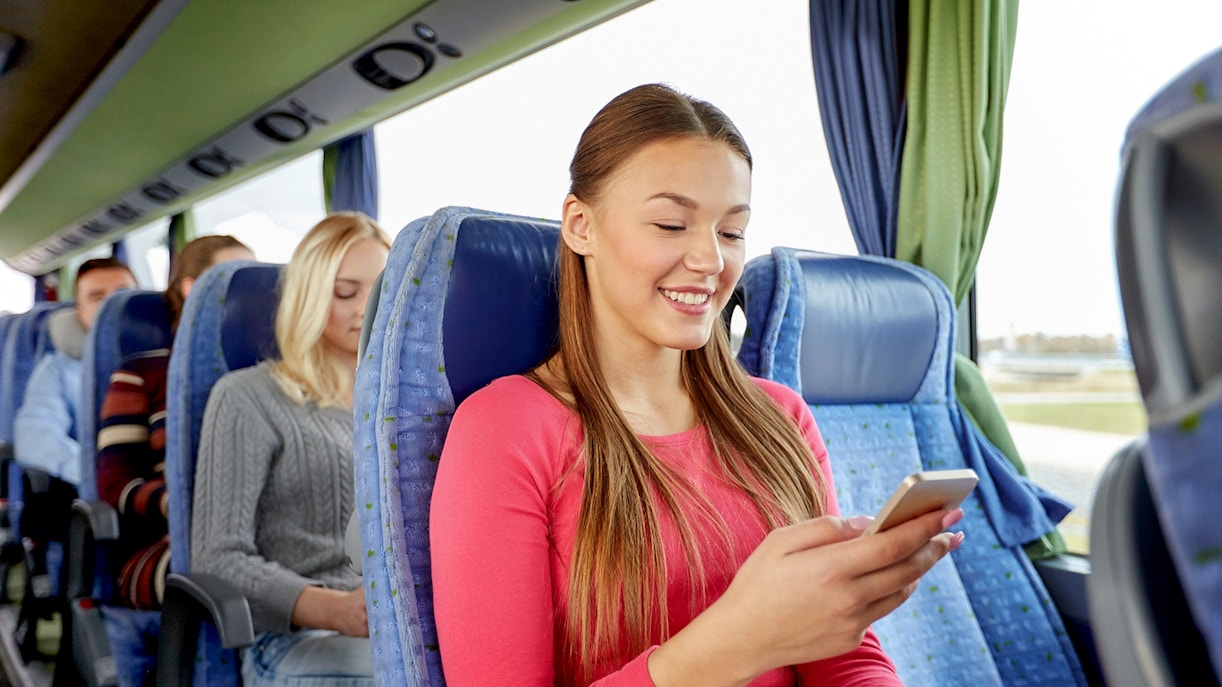
Bus: The regional buses run from downtown Calgary to Banff operate seasonally (during summer months), mainly on weekends and holidays. Private bus operators such as FlixBus offer direct buses from Calgary to Banff, year-round.
Drive (rental cars/taxis): A 90-minute, scenic drive west on the Trans-Canada Highway from Calgary to Banff offers direct transportation, with rental cars giving you the ultimate flexibility.
Please note: You need a park pass to drive in the national park.
Banff National Park Visitor Centre: You can pick up maps, permits, and brochures, and get the latest weather, trail, and avalanche updates.
Roam Public Transit: Used to travel between downtown Banff and major sights like the Gondola, Johnston Canyon, and Lake Louise without a car.
Shuttles: Available to reach Moraine Lake, as private vehicles are not allowed. Also recommended for Lake Louise to avoid parking delays.
Parking: You will find parking in many areas, but the lots fill early. Visitor-pay parking applies in the town of Banff, so arriving early helps.
Guided tours and programs: Parks Canada programs and guided tours are available for hiking, skiing, wildlife viewing, and boat tours on Lake Minnewanka.
Rentals: Bikes, canoes, kayaks, hiking poles, snowshoes, ice cleats, helmets, tents, sleeping gear, stoves, and bear spray are available for rent near key visitor areas (on a seasonal basis, subject to availability).
First aid: Mineral Springs Hospital provides 24/7 emergency care and offers first aid and emergency medical services in Banff National Park.
Accessible restrooms: You can find accessible restrooms at the Visitor Centre, main picnic areas, campgrounds, and around the Banff townsite.
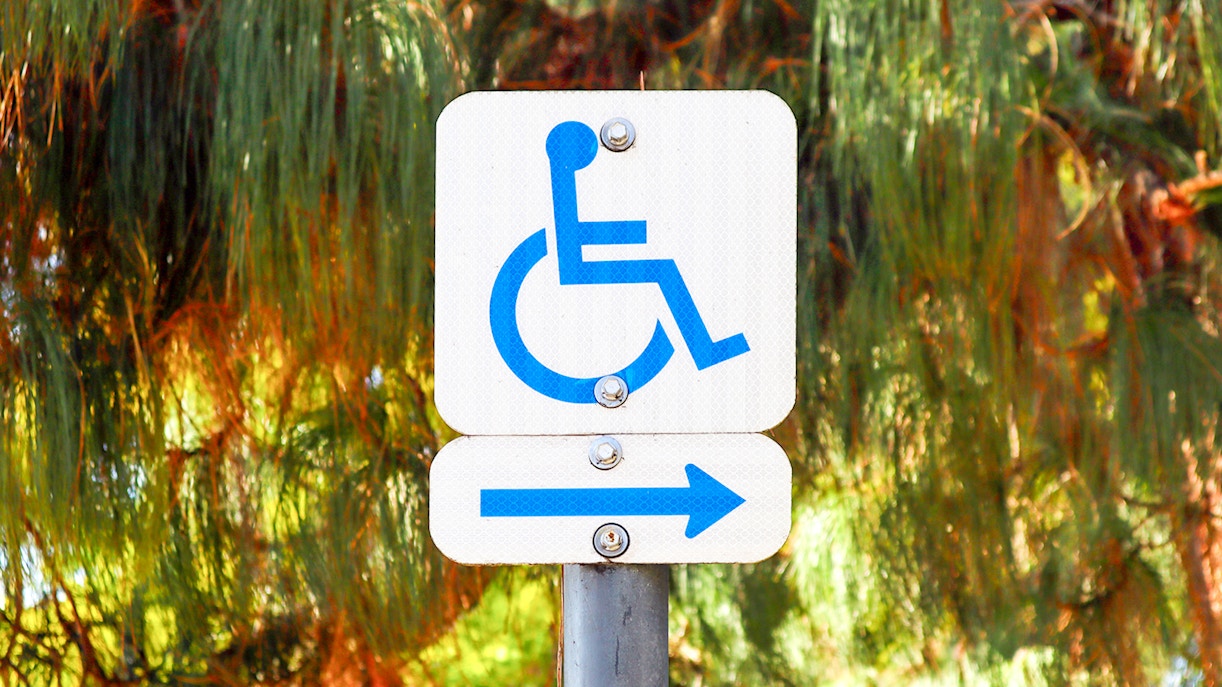
Attractions and sightseeing: The following attractions have accessible features–gondola cars and viewing decks at the Banff Gondola, Cave & Basin (all-terrain wheelchair paths), Banff Upper Hot Springs (water-accessible chairs), Vermilion Lakes, Lake Louise, and Moraine Lake (accessible viewpoints).
Hiking: Several paved or hard-packed trails are wheelchair accessible, such as the Bow River Trail, the Legacy Trail, and parts of the Lake Louise Lakeshore.
Transport: Roam Public Transit buses have ramps built in and have priority spaces for wheelchair users.
Parking: Accessible parking is available at all major locations inside Banff National Park.
You can ride bicycles only on public roads and designated trails.
You can use motorized boats (gas or electric) only on Lake Minnewanka; they are not allowed on other park waters.
You may camp only in designated campgrounds and only with a valid permit.
You cannot drink alcohol, smoke, or camp inside kitchen shelters.
Recreational drones (UAVs) are not allowed anywhere in the park.
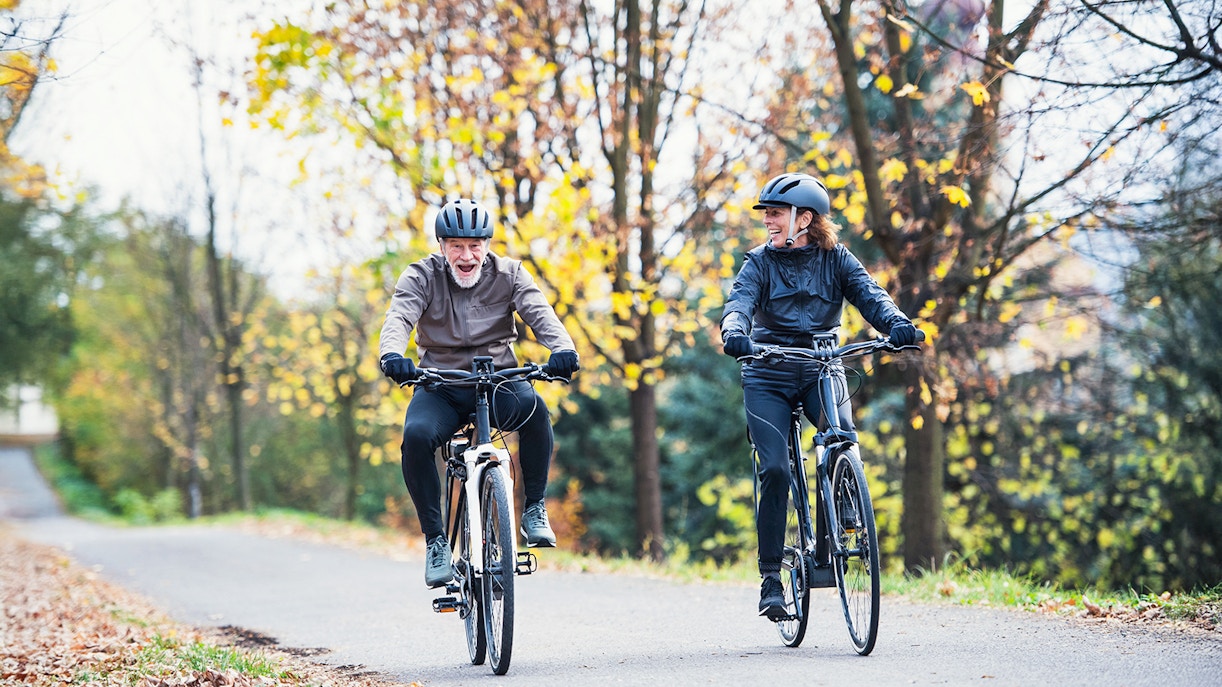
E-bikes are only permitted on roads and select designated trails.
You cannot carry or use firearms, pellet guns, bows, slingshots, bear bangers, or hunt in the park.
All motorized vehicles should be on paved or gravel roads; off-road vehicles, ATVs, dirt bikes, and snowmobiles are not allowed.
You must leave natural and cultural items, such as rocks, fossils, artifacts, antlers, flowers, and nests, undisturbed.
You must keep dogs on a leash and under control at all times, and never leave pets unattended; some areas do not allow pets.
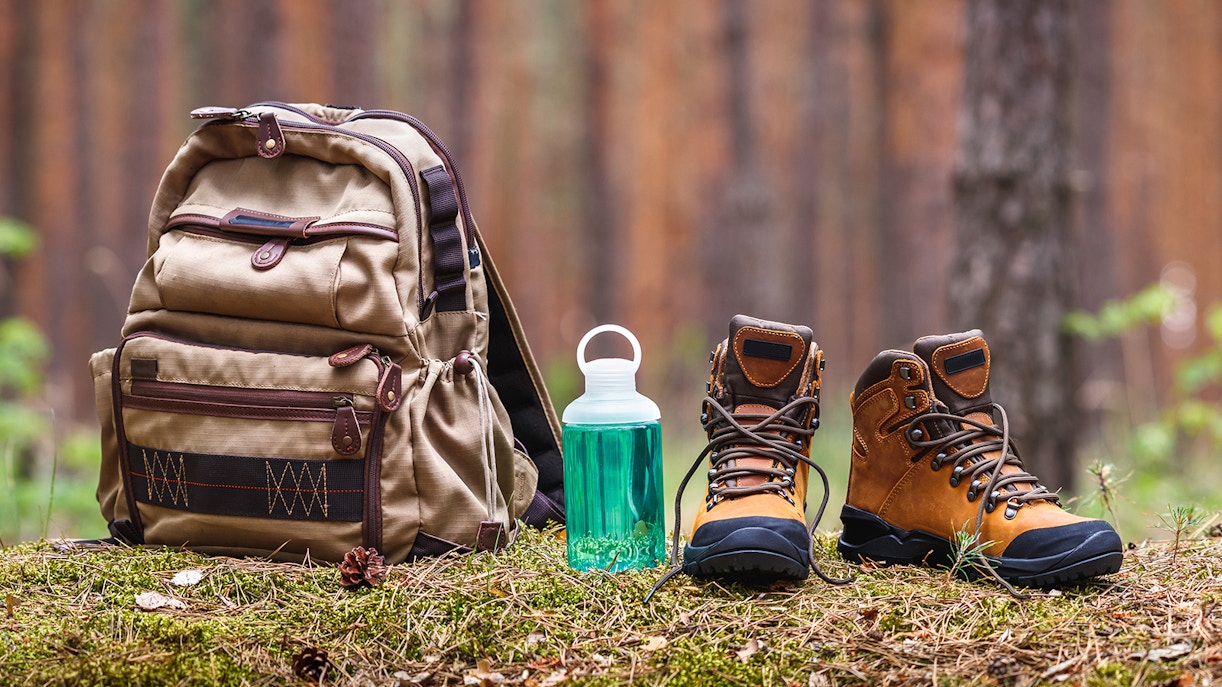
Carry water, snacks, a charged phone, and a basic first-aid kit on all hikes and long outings.
Stay on marked trails and boardwalks to avoid injuries, unstable ground, and wildlife encounters.
Start hikes early in the day and turn back if the weather worsens or daylight runs short.
Let someone know your hiking route and expected return time if you’re planning to go on longer or remote trails.
On the Banff Gondola, follow staff instructions, remain seated inside cabins, and supervise children closely near platforms and railings.
While camping, store all food, scented items, and garbage in designated wildlife-proof lockers or bins.
Never keep food or scented products inside your tent.
Use only designated fire pits and fully extinguish fires before leaving or sleeping.
When watching wildlife, keep a safe distance at all times (farther for bears, elk, and moose).
Never feed wildlife, and never approach animals for photos.
Carry bear spray where recommended and make sure you know how to use it.
Walk carefully near lakes, waterfalls, and canyon edges, as rocks can be wet and slippery.
Follow all posted park signs and ranger instructions; they are there for your safety.
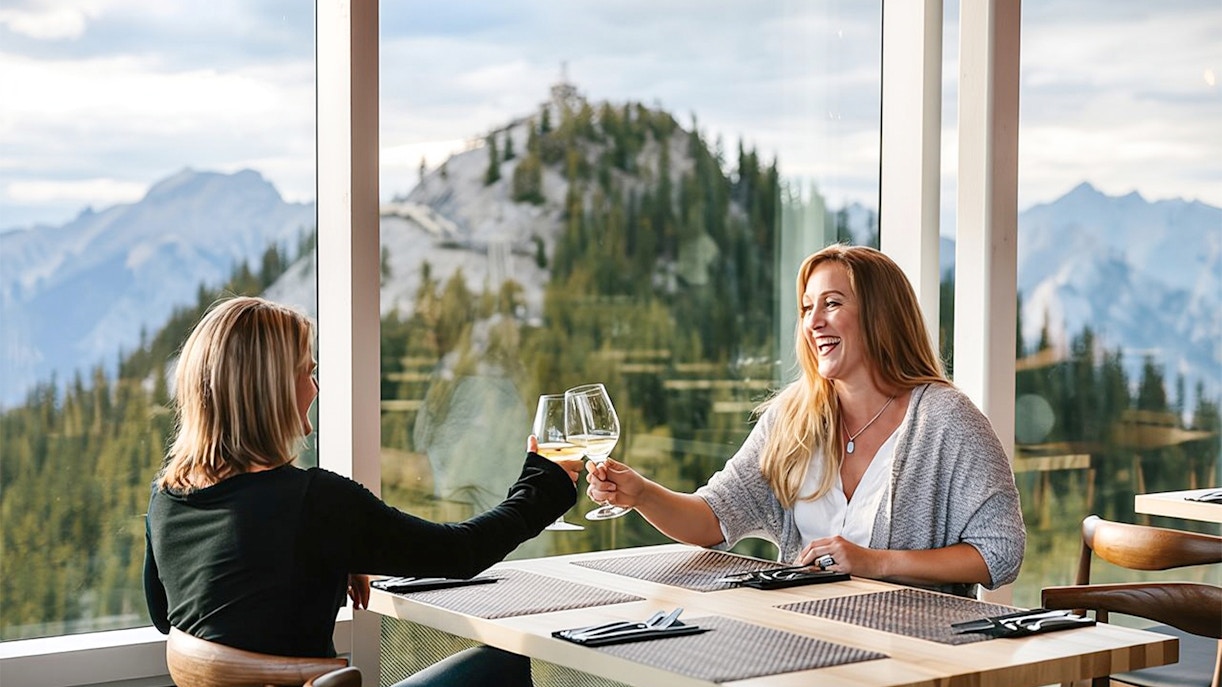
Sky Bistro Address: 100 Mountain Ave, Banff, AB T1L 1J3, Canada | Find on Maps Timings: 11am to 8:30pm, Thu-Sun (seasonal) Cuisine: High-end Canadian Price range: $$
Northern Lights Alpine Kitchen Address: Banff Gondola Upper Terminal, 100 Mountain Ave, Banff | Find on Maps Timings: 11am to 2pm, 5pm to 8:30pm, (closed on Tue) (seasonal) Cuisine: Alpine cuisine, comfort food Price range: $$
Banff Upper Hot Springs Cafe Inc Address: Banff Upper Hot Springs, 1 Mountain Ave, Banff | Find on Maps Timings: 11am to 5pm (seasonal) Cuisine: Cafe, sandwiches Price range: $
When visiting Banff National Park, always check the daily weather and trail conditions before you head out, as mountain weather can change quickly.
Dress in layers and carry rain protection, even on clear mornings, because temperatures can shift with elevation.
Wear sturdy footwear at summit boardwalks and viewing decks, as they can be windy or slippery.
Visit Banff National Park’s busiest lakes early in the morning or at the end of the day; midday crowds are heaviest, and parking congestion is common.
Sit on the right side as you are going up the Banff Gondola for wider valley views; switch sides on the way down for a different photo angle.
Bring a small towel and spare socks, even on short outings. The lake edges and morning boardwalks are often wet from spray and dew.
Download offline maps before entering mountain areas; mobile signal drops quickly outside town corridors.
Use transit or shuttles instead of driving between Banff and Lake Louise on busy days, as it is usually faster than circling for parking.
Pack a compact pair of binoculars to spot wildlife. You can often spot animals far from the road, and viewing from a distance is both safe and rewarding.
Check same-day trail notices at visitor centres when you arrive to stay updated on wildlife closures, as routes can change frequently due to bear movement.
Carry small-denomination cash for remote cafés and seasonal kiosks that may not accept all cards.
Fuel up your vehicle when the tank drops below half. Gas stations are limited once you leave the townsites.
If you want photos with fewer crowds, walk 5-10 minutes past the first main viewpoint—most visitors stop at the closest railing.
Frequently asked questions about Banff tours
Yes, you should book ahead, especially in peak travel months and on weekends. Same-day tickets can sell out or be limited to later time slots. Advance booking also helps you plan your day around your assigned ride time.
Plan to spend about 1.5 to 2 hours at the top, including viewing decks, boardwalk walks, and exhibits. Most visitors stay longer than expected because of the multiple lookout levels. Add buffer time if you want to dine at the summit.
Yes, it is comfortable and enclosed, with smooth boarding and minimal physical effort required. Summit facilities include railings, rest areas, and maintained pathways. You should still supervise children closely near viewing platforms.
Wear layered clothing and closed-toe shoes. Summit temperatures are usually cooler and windier than in town. Even in summer, a light jacket is useful at the top.
Yes, gondola cabins and summit areas are designed to support accessibility needs. Staff can assist with boarding and exiting. It’s still helpful to inform staff on arrival if you need extra time or support.
Prepare with layered, moisture-wicking clothing, sturdy closed-toe shoes, and a waterproof jacket. For certain activities like ice walks or hikes, items such as gloves or microspikes may help.
Expect around 4 to 6 hours total, depending on transfers and wait times. This includes gondola ride time, summit exploration, travel to the lake, and cruise duration.
Most cruises are smooth, but afternoons can be windier. You should bring a warm layer because it feels cooler on the water. Morning departures are typically calmer.
During peak seasons, especially summer months around Lake Louise or the Icefields Parkway, it’s best to book 2–4 weeks ahead. Early booking secures popular time slots and pricing, as these tours tend to sell out quickly.
Opt for coach-based sightseeing tours that minimize walking and include gentle boardwalks. These tours reduce physical strain while still offering great viewpoints and commentary. Always verify accessibility details with the operator to ensure the tour meets your needs.
You might, but sightings are never guaranteed. Guides know common viewing areas and safe stopping points. Bring binoculars for better long-distance viewing.
Most gondola and cruise combo tours are low effort, with optional short walks. You can usually choose whether to join extra viewpoint walks. Check the itinerary if you prefer minimal walking.
Tours usually run in light rain or cloud, and mountain weather often changes quickly. Severe weather may delay or pause gondola or boat operations. Operators typically offer rescheduling or alternatives if closures occur.